
1880
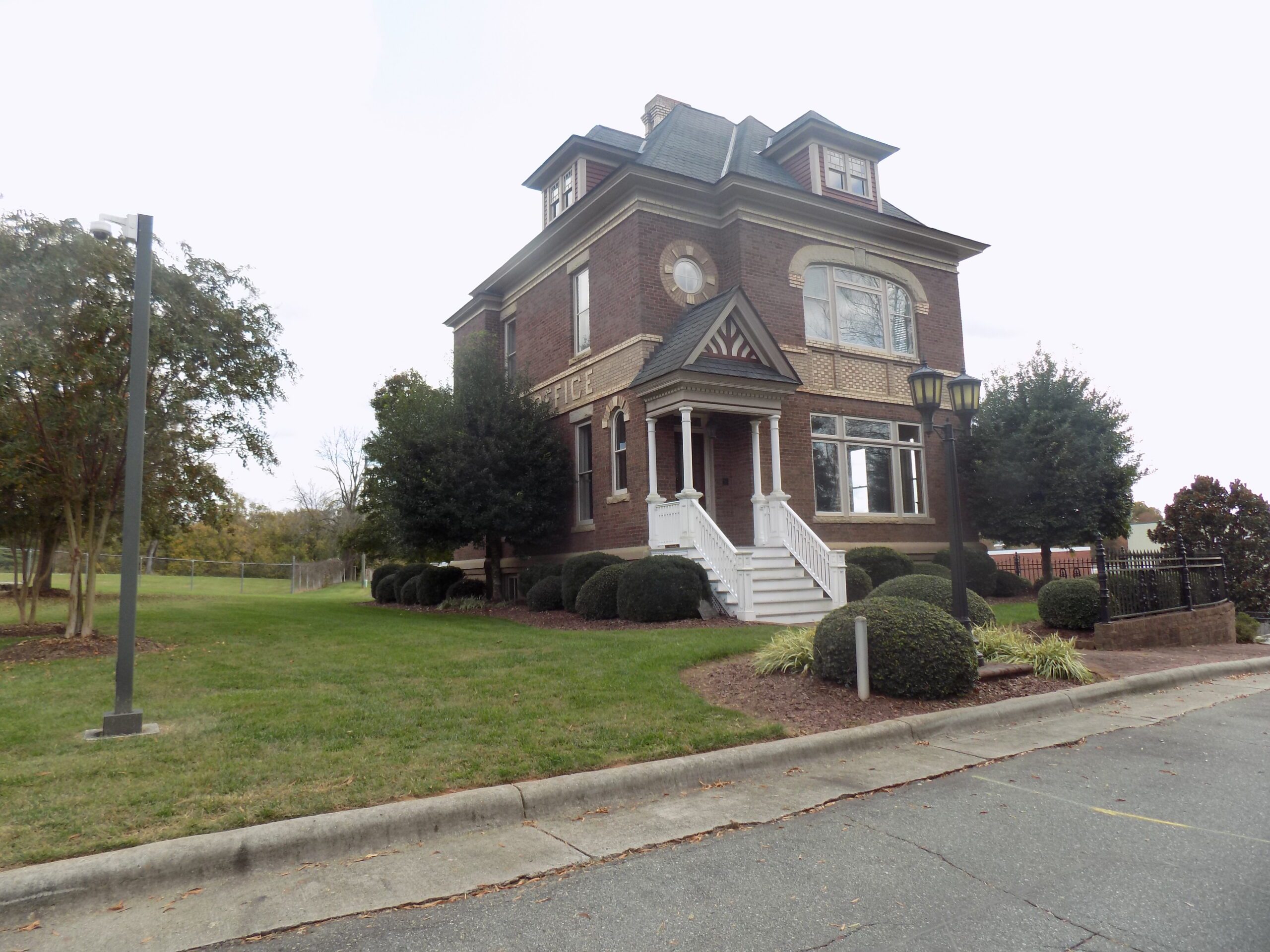
Glen Raven was founded in North Carolina in 1880 as a cotton mill. We began our journey creating apparel that exceeded the expectations of consumers, leading the business to expand further into the textile industry.
For over a century our company has served the needs of our customers and created spaces that bring people together. Our history inspires our future as we continue to weave connections that keep the world spinning.
At Glen Raven, we rethink what fabric can do. Our rich history demonstrates a commitment to innovation that has delivered products and services shaping industries around the world. We take our customers’ challenges and provide solutions that are expressive, comfortable and of the highest quality.
Explore how we’ve been keeping an eye on what’s next through our milestones.
The milestones we’ve celebrated as a company serve as markers along a path to the future. Our success has empowered us to better serve our customers and to innovative the textile solutions of tomorrow. As we move forward, we continue to grow our commitment to the industries, businesses and individuals we serve. Weaving connections that keep the world spinning.
Founded in 1880, Glen Raven began as a small, family-owned business focused on the apparel market. Since then, Glen Raven has evolved and expanded, driven by a culture that embraces transformational change, and today is a leading global manufacturer in performance-based products and services that serve more than 120 countries.
Glen Raven was founded in North Carolina in 1880 as a cotton mill. We began our journey creating apparel that exceeded the expectations of consumers, leading the business to expand further into the textile industry.
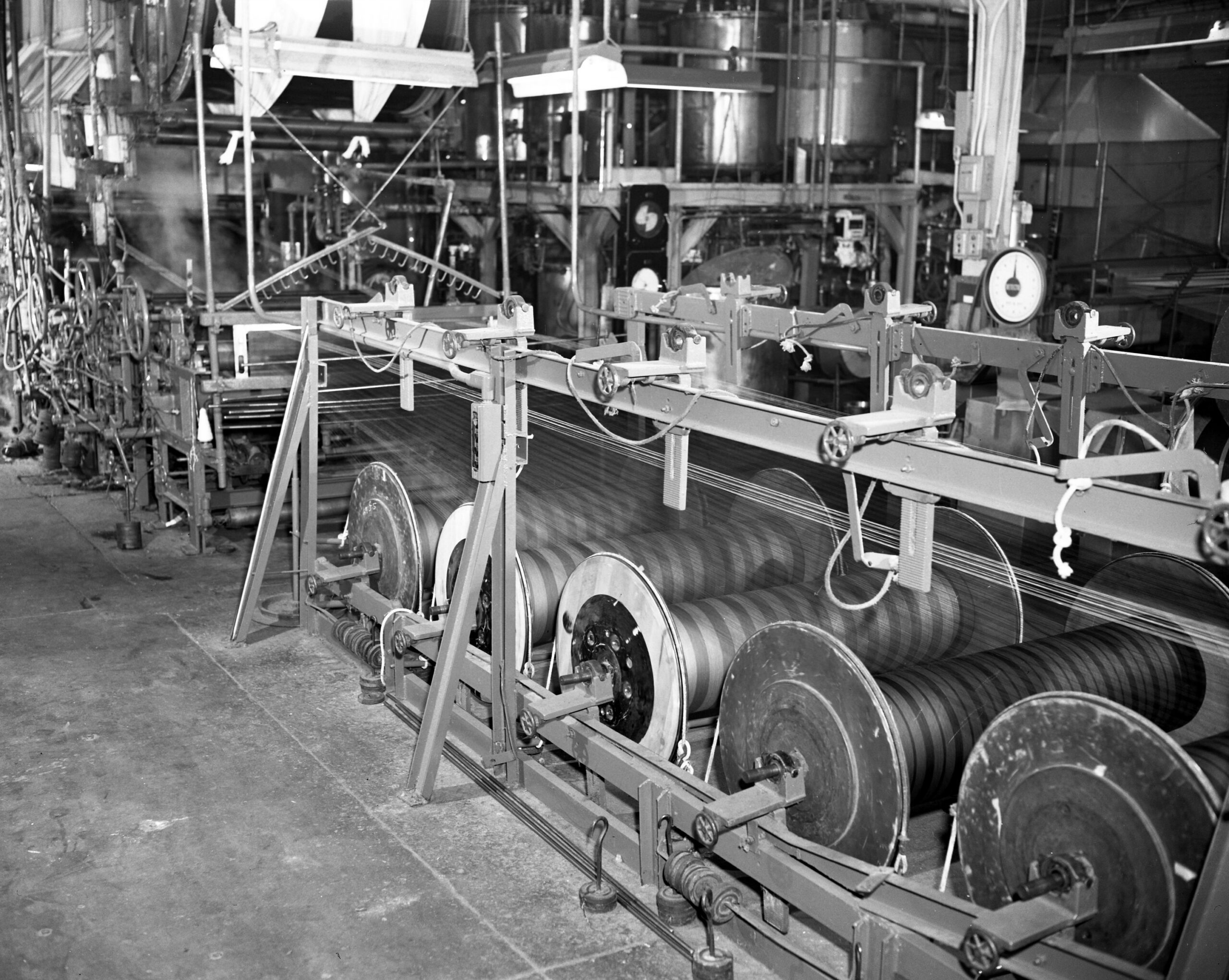
Glen Raven wove its first yard of fabric, transitioning from producing cotton yarn to manufacturing plain cloth for shirts and undergarments. Growth skyrocketed, leading to the construction of a new railway station in Elon, North Carolina, in 1888 to support the rapid growth of the mills in Altamahaw and Ossipee.
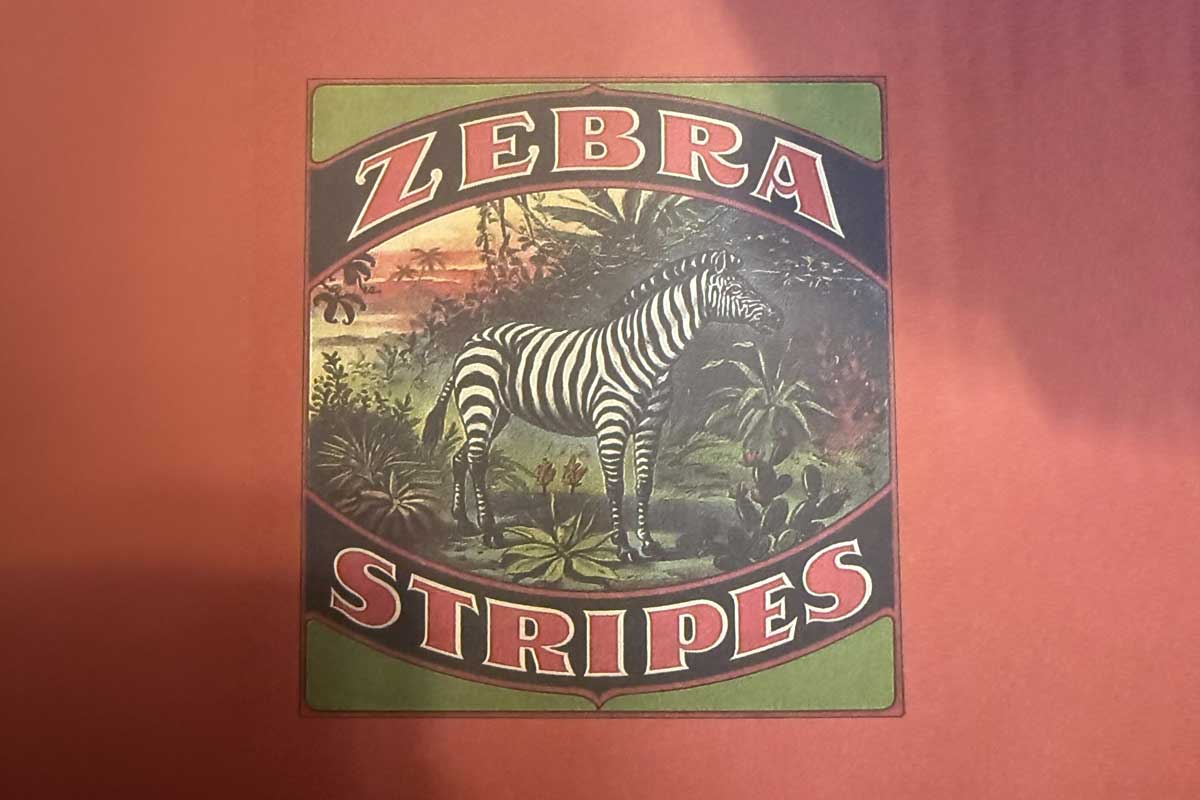
Glen Raven added a dye house to the mill, and began using imported vat dyes from Germany, marking a significant advancement in the dyeing of fabrics and laying the groundwork for the superior color performance found in Sunbrella® fabrics. The first dyed awning, featuring black and white stripes, was introduced as “Zebra Stripes.”
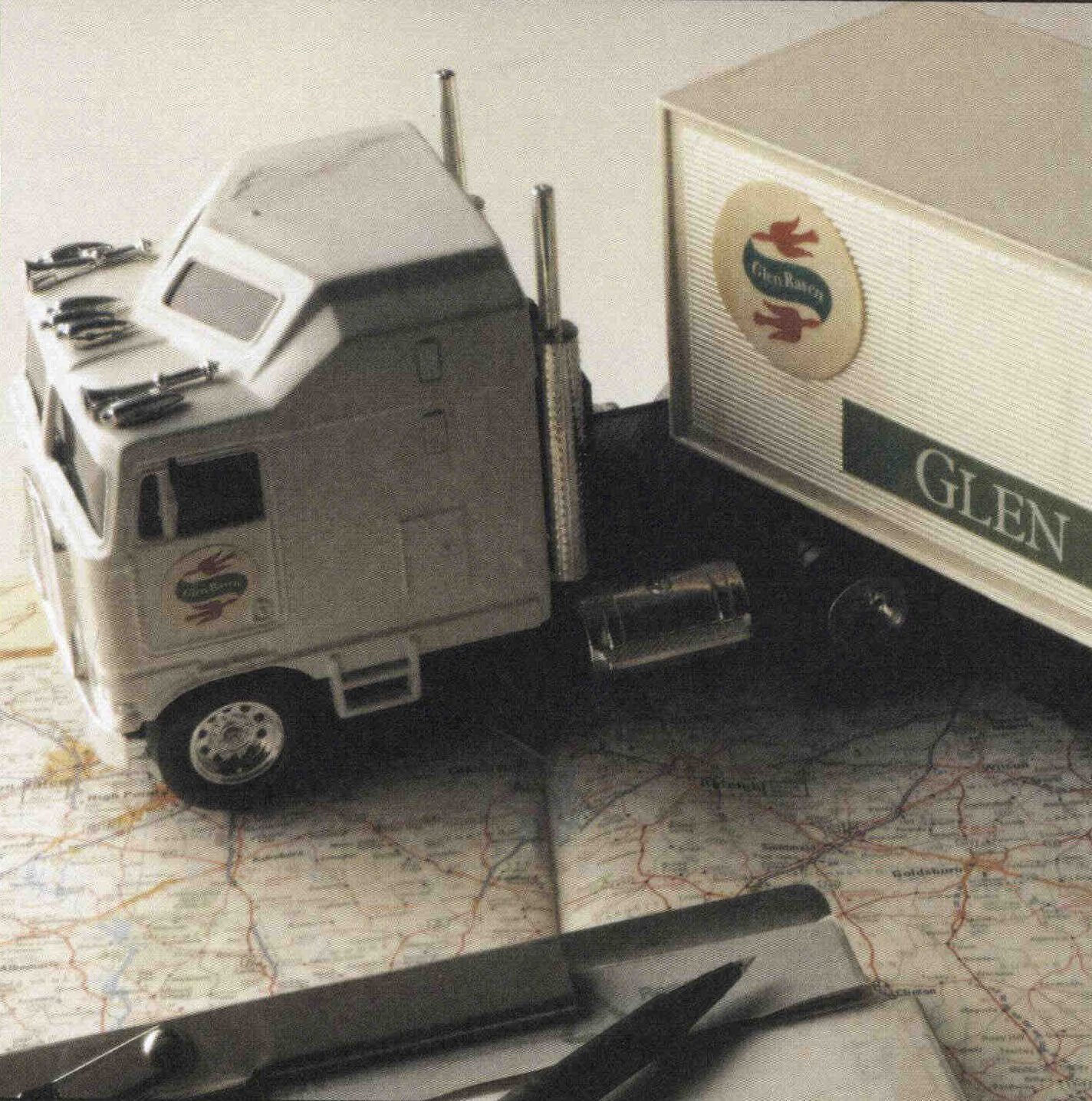
Glen Raven purchased the first company truck, transitioning from horse-drawn wagons to motorized transportation.
Glen Raven begins to introduce new products serving a wide variety of markets, from Canton Crepe, a dress weight material, to producing durable fabrics for luggage.
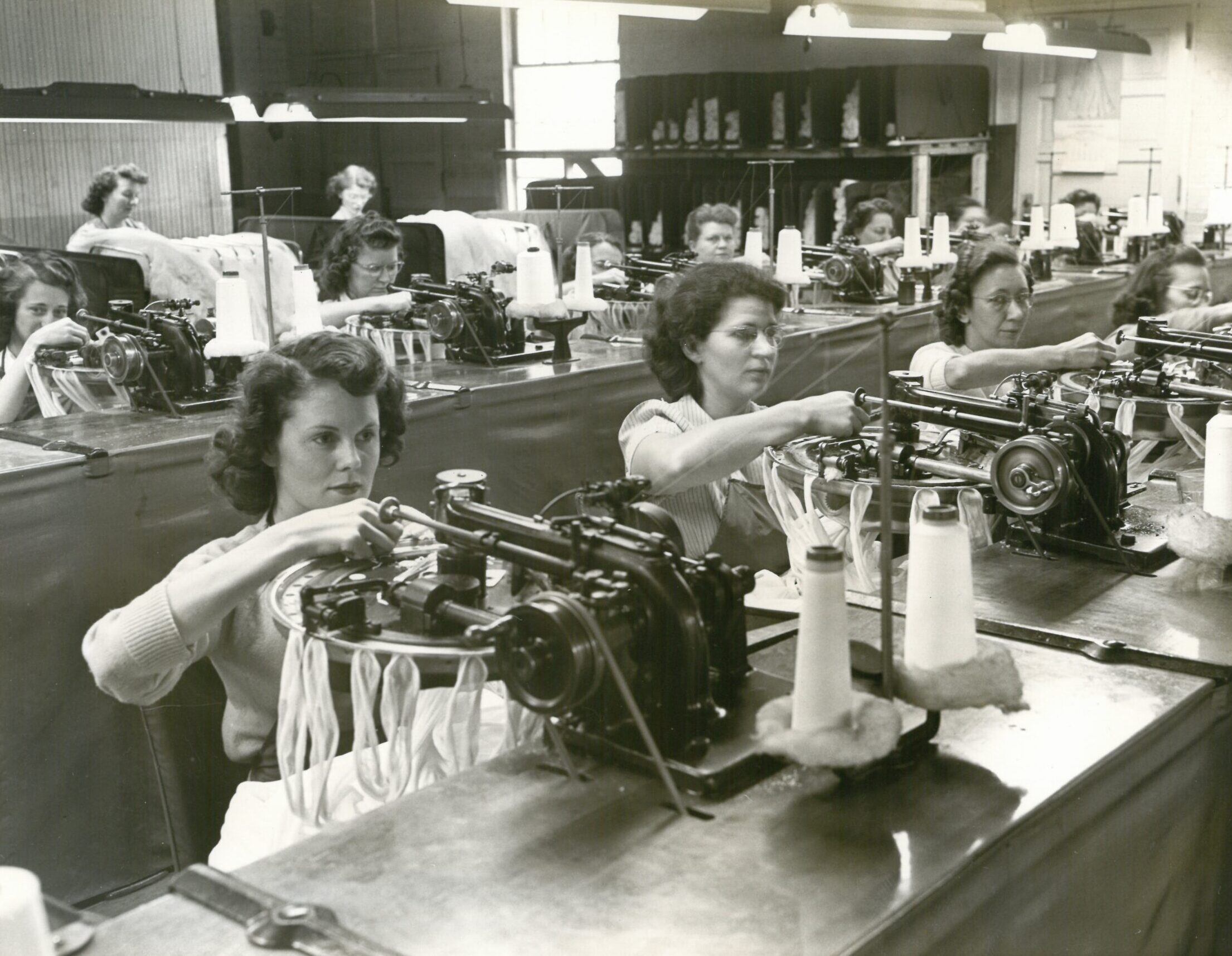
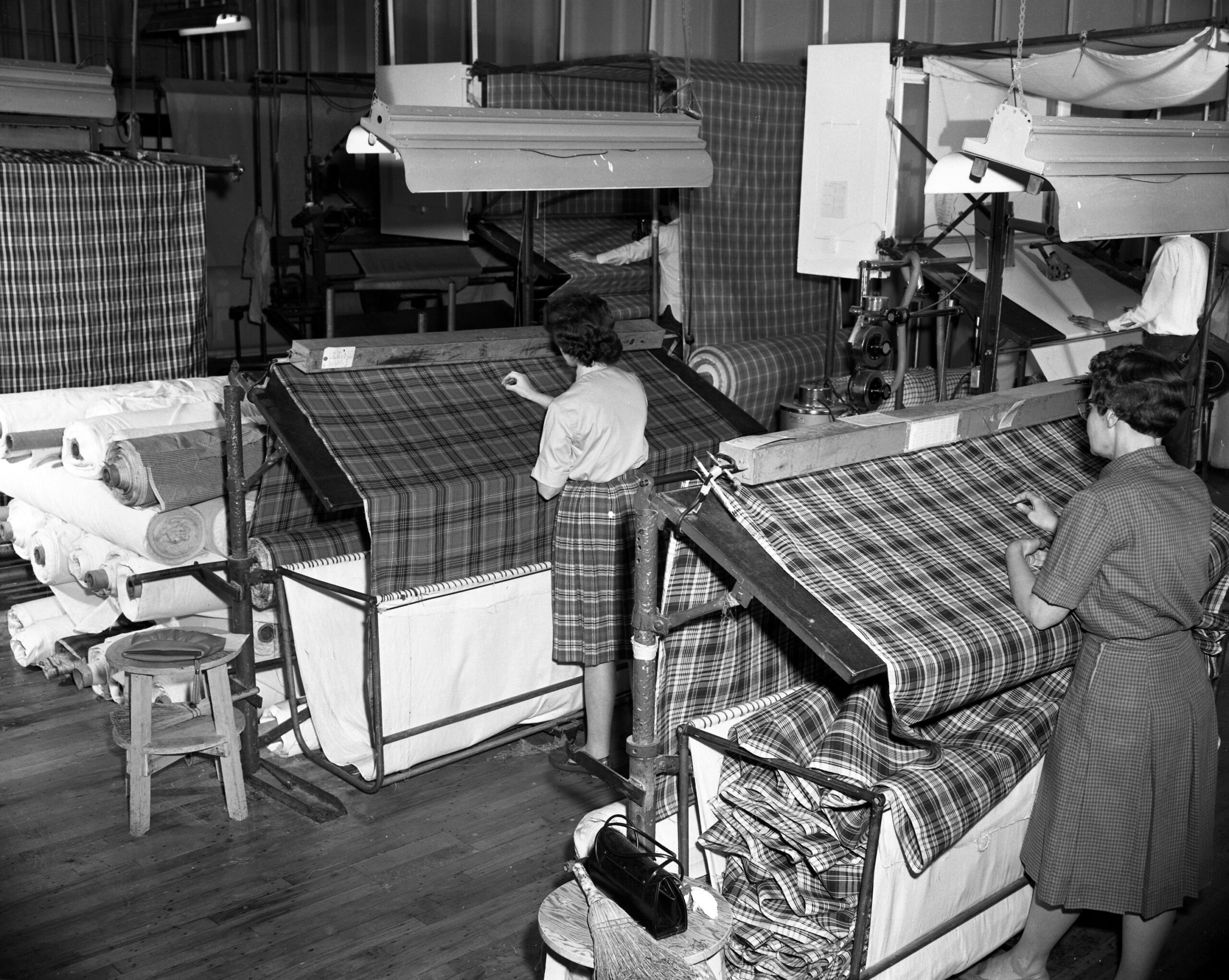
Ethel Boone becomes the first woman to ever work in the Glen Raven office, helping to bring the accounting up to date.
Glen Raven purchases Kinston Textile Mills shortly after it fails to expand capabilities in synthetic weaving. Former plant workers assisted in preparing the mill to produce Glen Raven products, with many being re-employed under Glen Raven leadership.
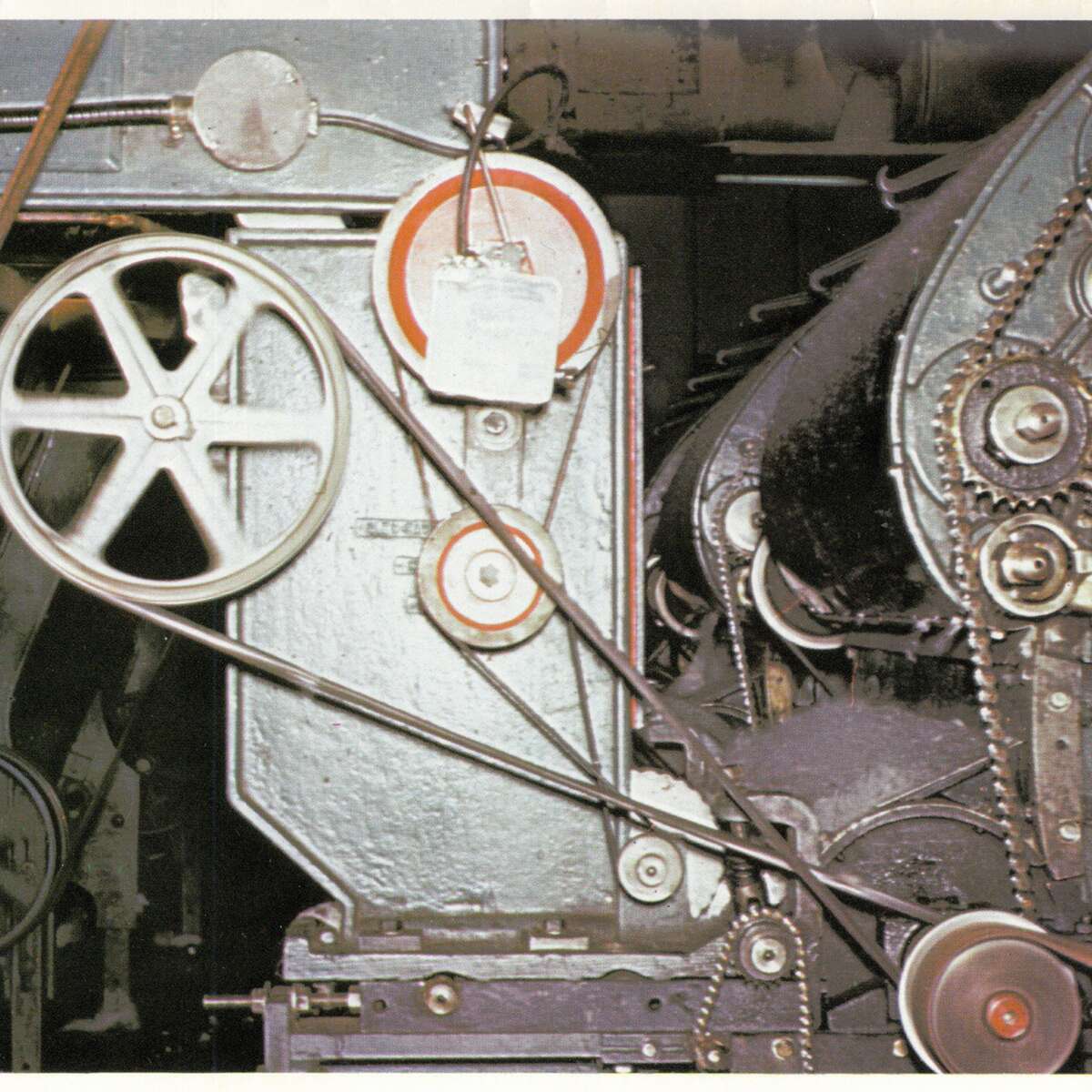

The United States government began placing large essential orders with Glen Raven for fabric used to make parachutes and pup tents during World War II. When the U.S. government froze the silk supply during the war, Glen Raven leveraged prior rayon experience to switch production and remain operational, while many mills were forced to shut down.
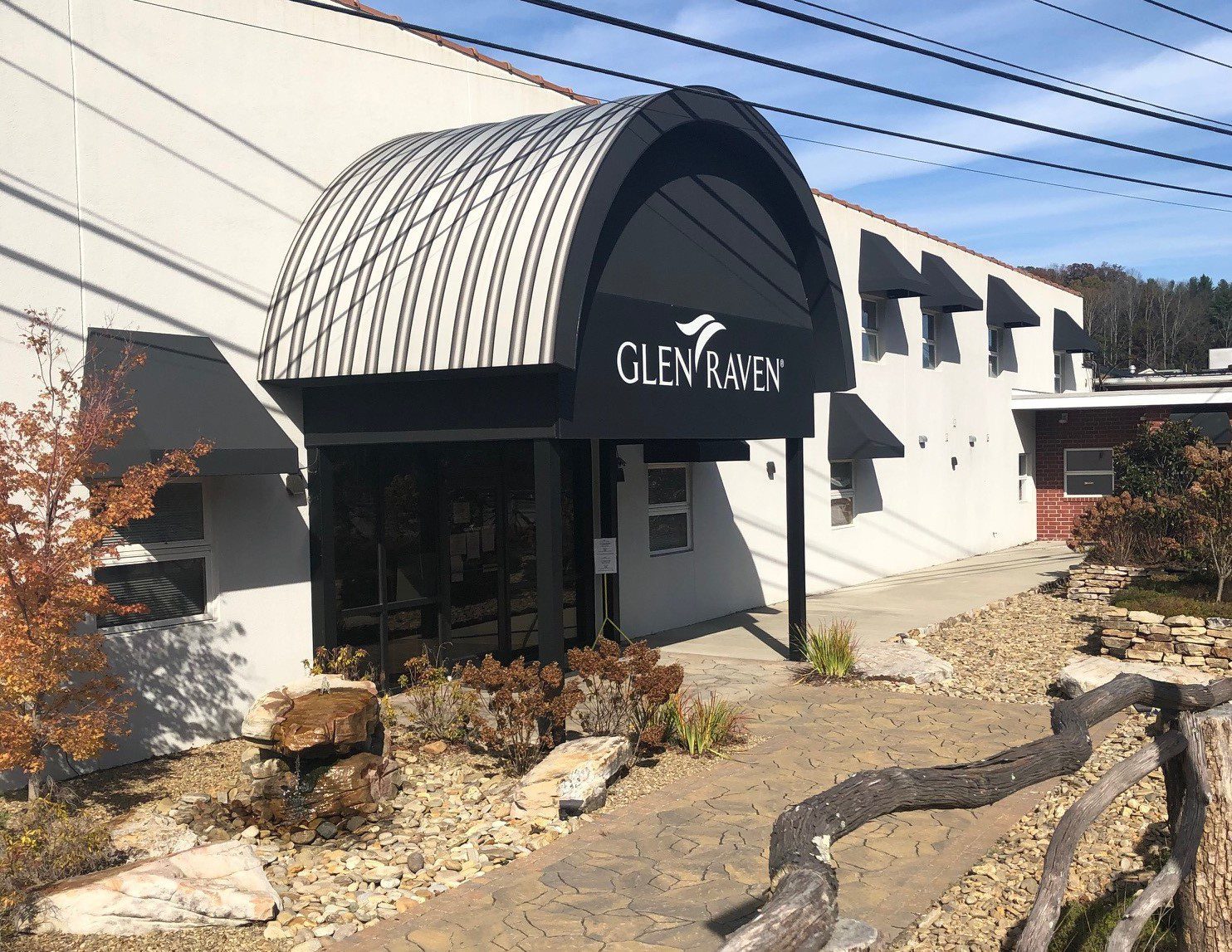
The Burnsville plant is built in 1948, establishing a manufacturing presence in the area and providing a work location close to home for the town residents. At the time, there was no industry in the immediate area. In 1950, Glen Raven established a plant in Burlington for knitting nylon tricot at the site that would eventually become Sunbrella Headquarters.
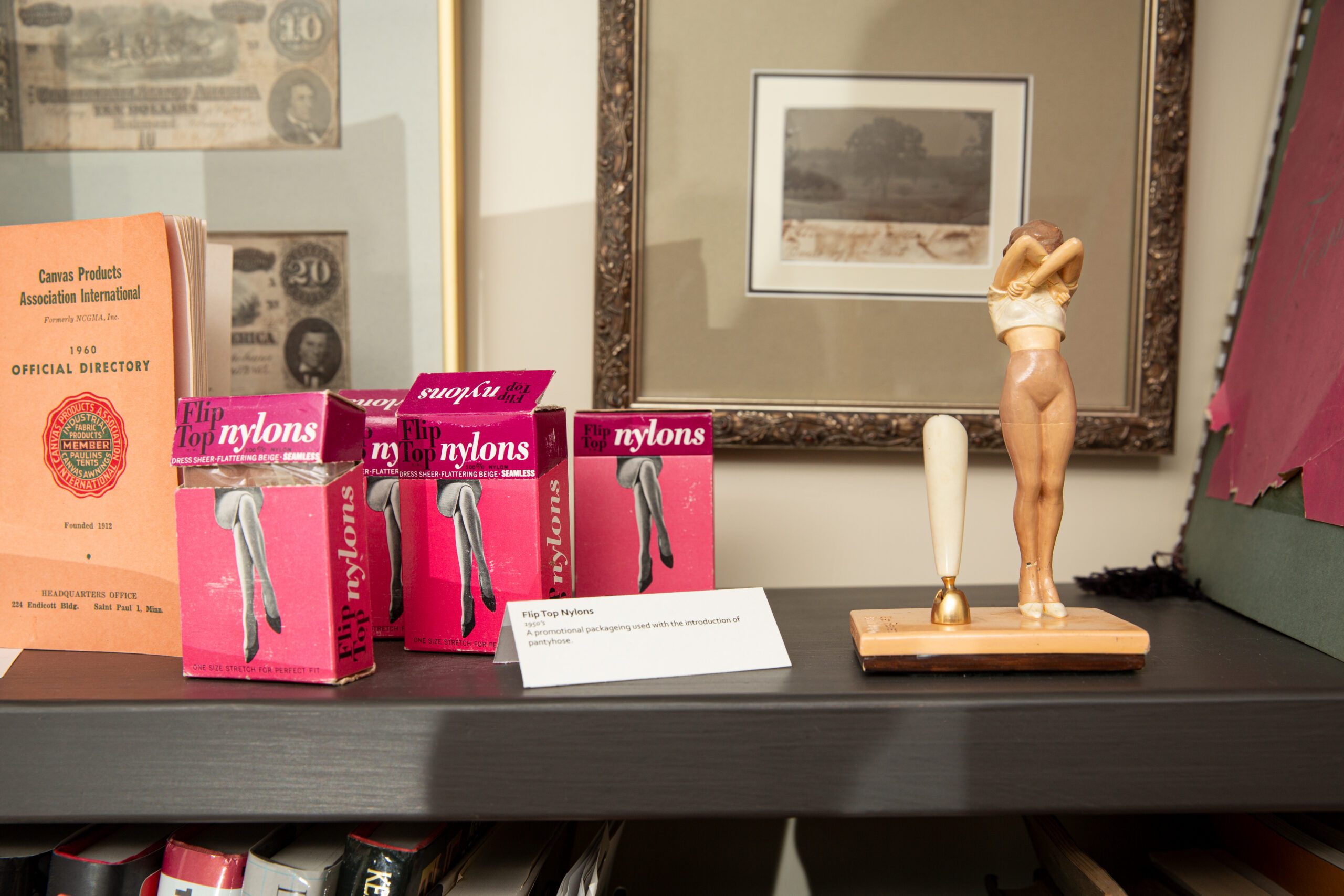
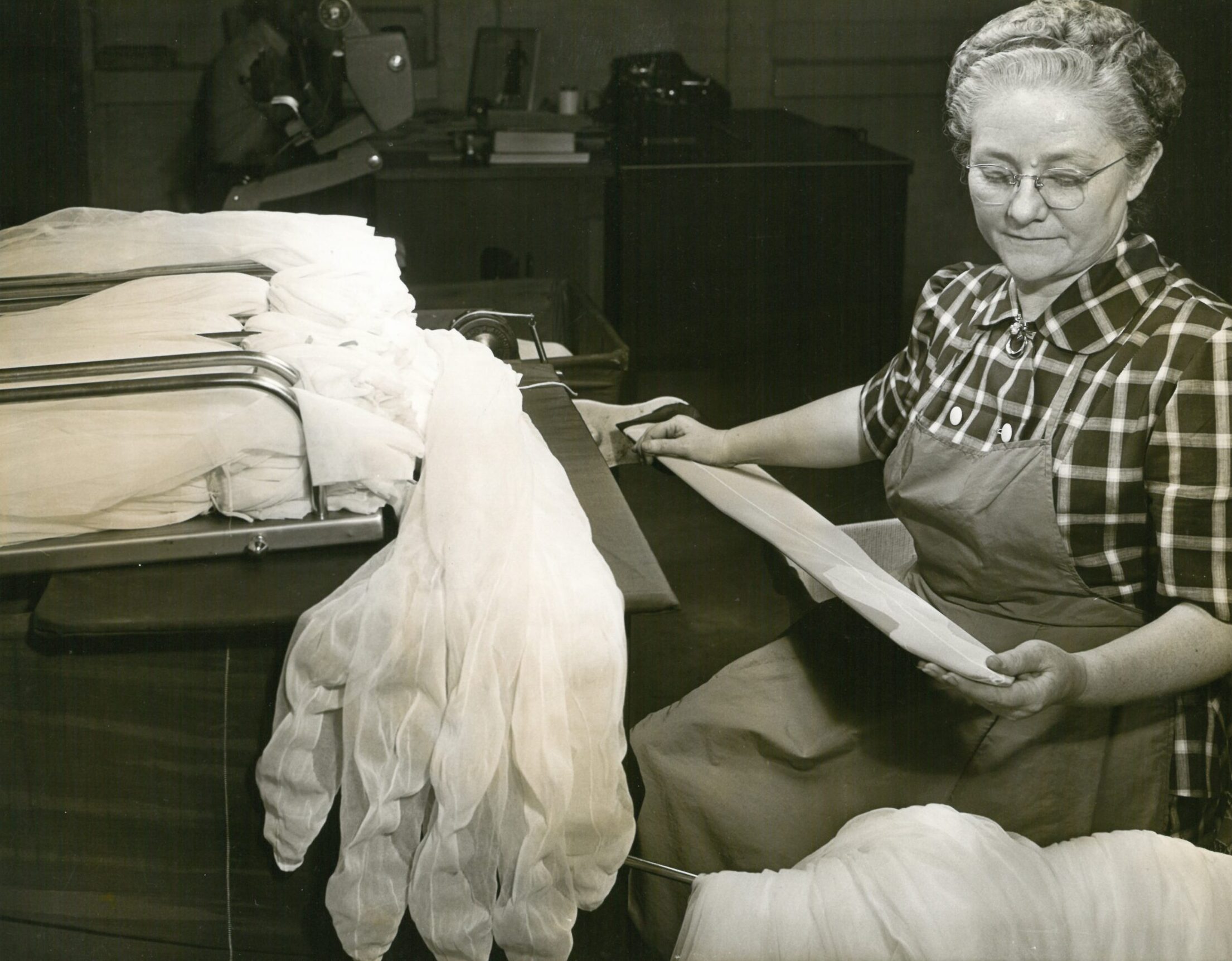
Glen Raven transformed its business, its culture, and the fashion industry with the invention of Panti-Legs, the first ever pantyhose. The idea was proposed for a pair of stockings that were one piece, like a pair of pants, rather than two traditional stockings attached with a garter-belt— and thus Panti-Legs were born.
Glen Raven registered the Glen Knit trademark for undergarments, socks, and t-shirts—and soon after developed the innovative knit-deknit process, a technique which gave material enhanced stretch and texture and was incorporated into the tops or welts of women’s hosiery to provide extra elasticity.
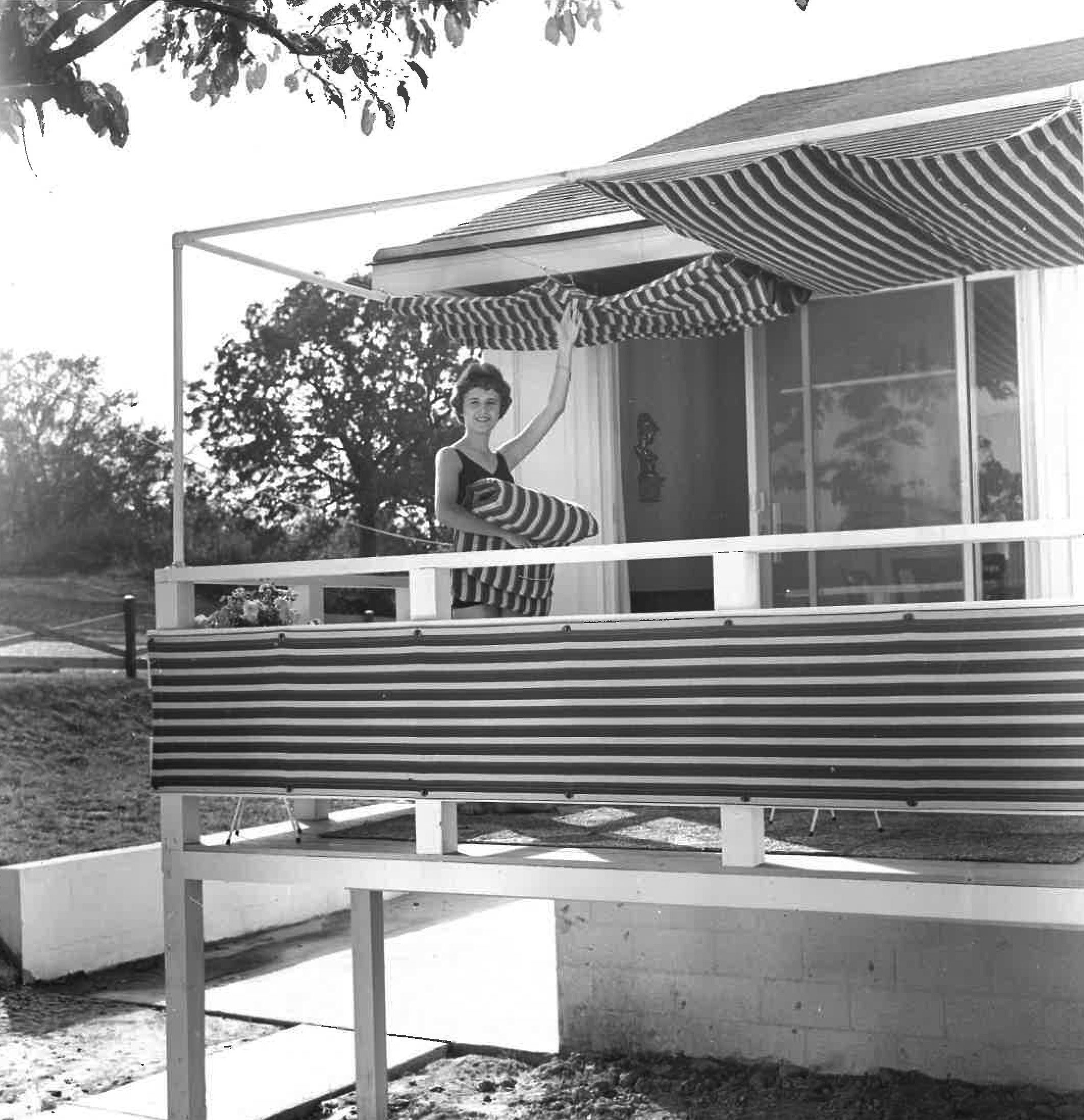
Glen Raven revolutionized the awning industry by introducing the first solution-dyed synthetic yarn, making the first successful 100% acrylic awning, marketed under the trade name Sunbrella. In 1962, Glen Raven acquired Otis and Otis Permasol, the only other U.S. manufacturer of yarn-dyed, 100% cotton woven awning fabrics. This strategic move enabled Glen Raven to enter and expand within the marine and camping markets. Since then, Sunbrella has continued to forge new paths, expanding into the casual furniture, indoor furniture and contract markets.
Glen Raven Logistics was born, founded as an internal support function to coordinate shipments between manufacturing plants and customers. After expanding into Mexico in 1995, other opportunities opened up to the Northeast, Midwest and West Coast.
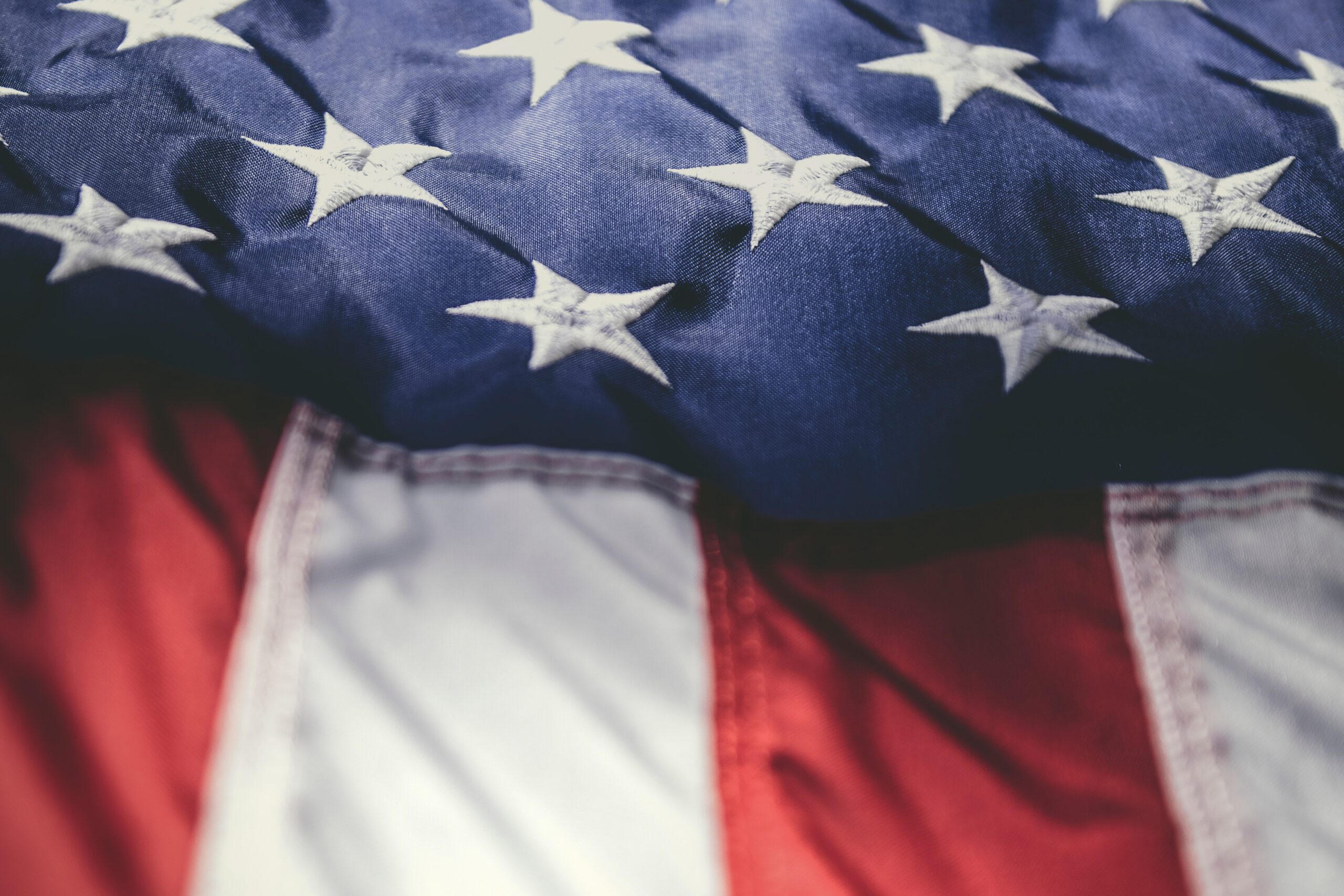
As the story goes, Glen Raven took fabric to new heights with the Apollo 11 space mission. Company history reflects a long-standing belief that nylon fabric woven at the Burnsville facility was used in the American flag planted on the moon by Neil Armstrong and Buzz Aldrin.
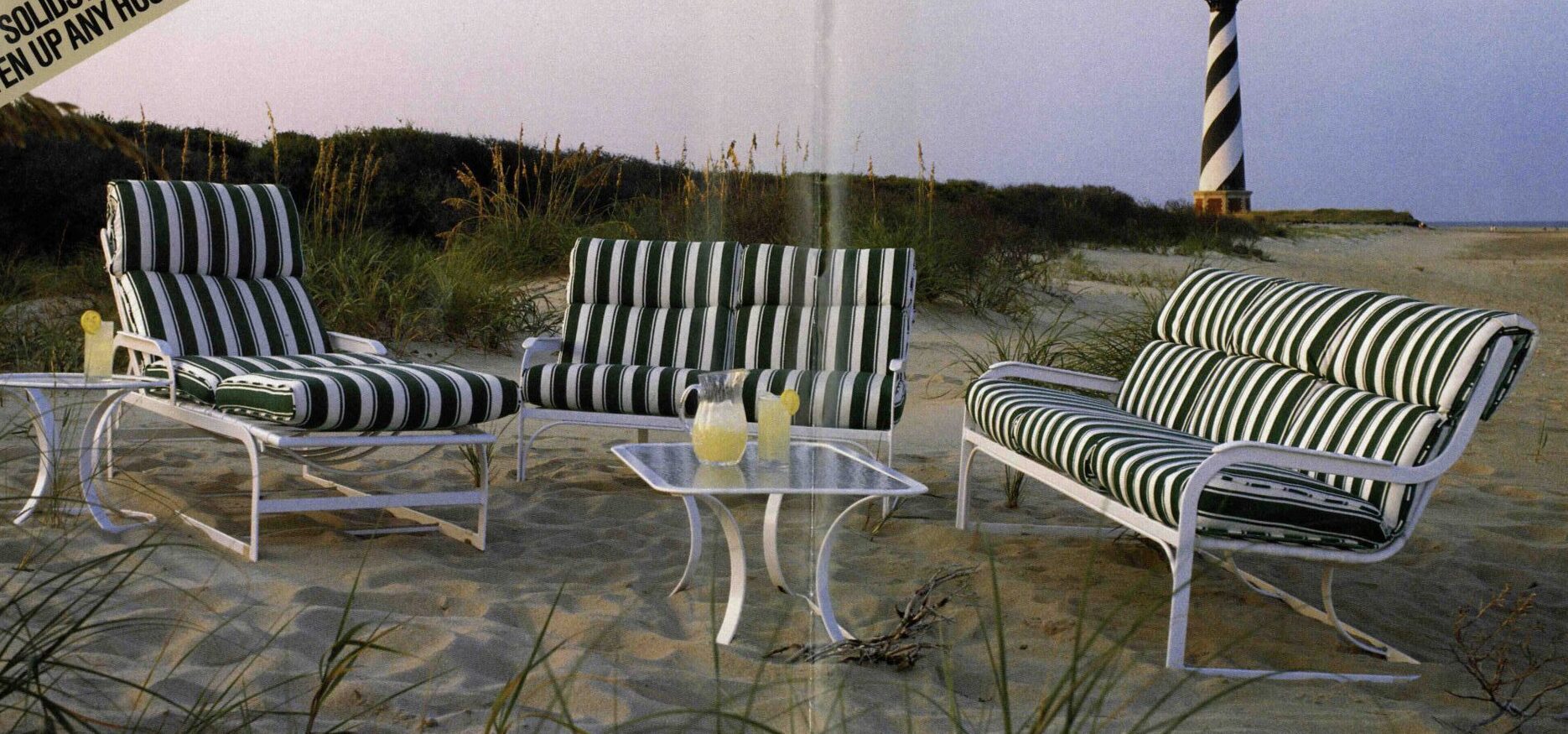
Outdoor upholstery fabrics bring revolutionary longevity to outdoor furniture and create a new growth platform.
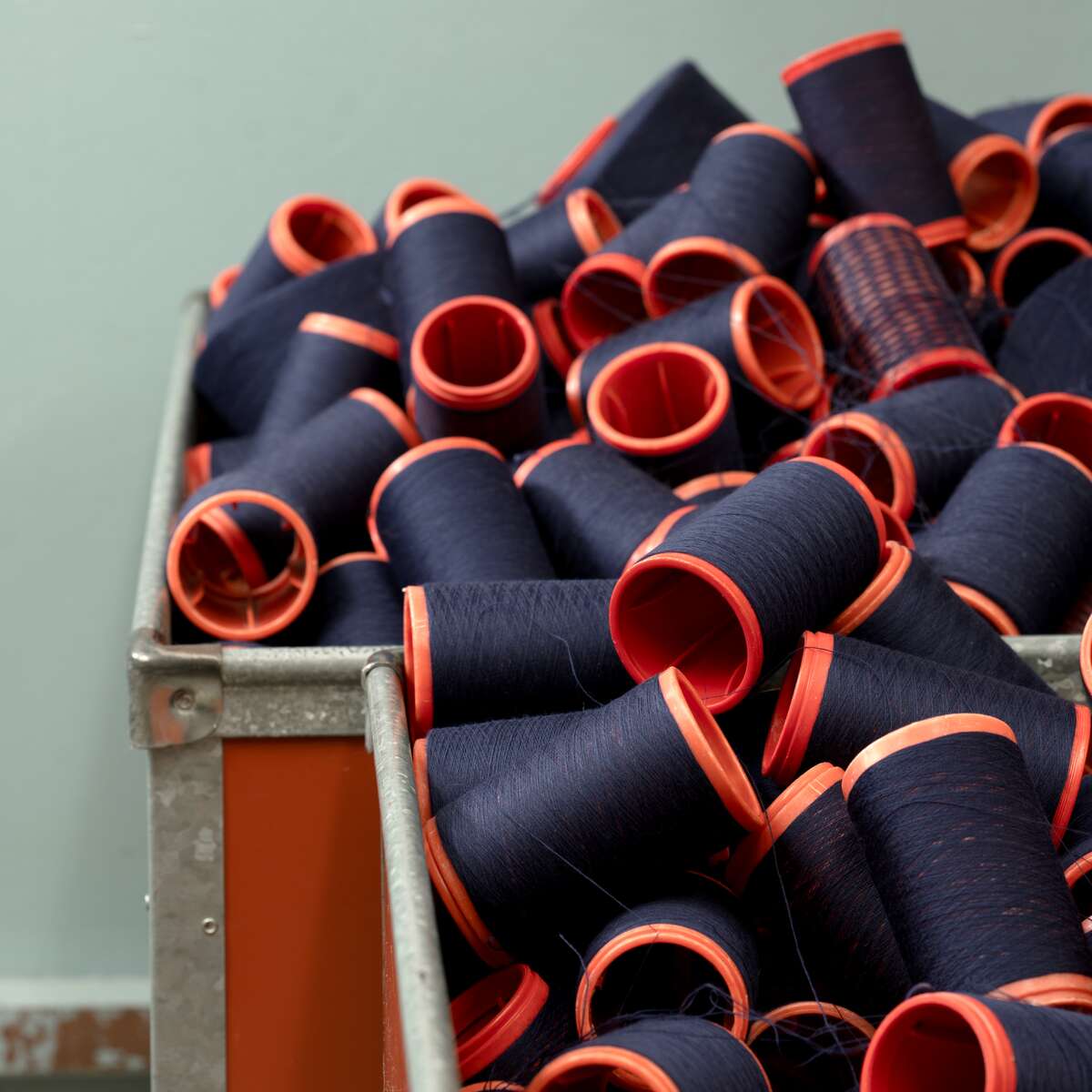
Glen Raven acquired the Norlina plant from Harriet & Henderson, which focused on nylon yarn production. As the world of fashion evolved, and women moved away from nylon stockings for daily wear, Glen Raven transitioned the Norlina plant to produce proprietary acrylic yarns for Sunbrella fabrics woven in Anderson.
Glen Raven begins building a state-of-the-art manufacturing facility in Anderson, SC, becoming the flagship manufacturing location for US production. Since then, the facility has continued to expand and update equipment for operational excellence in manufacturing.
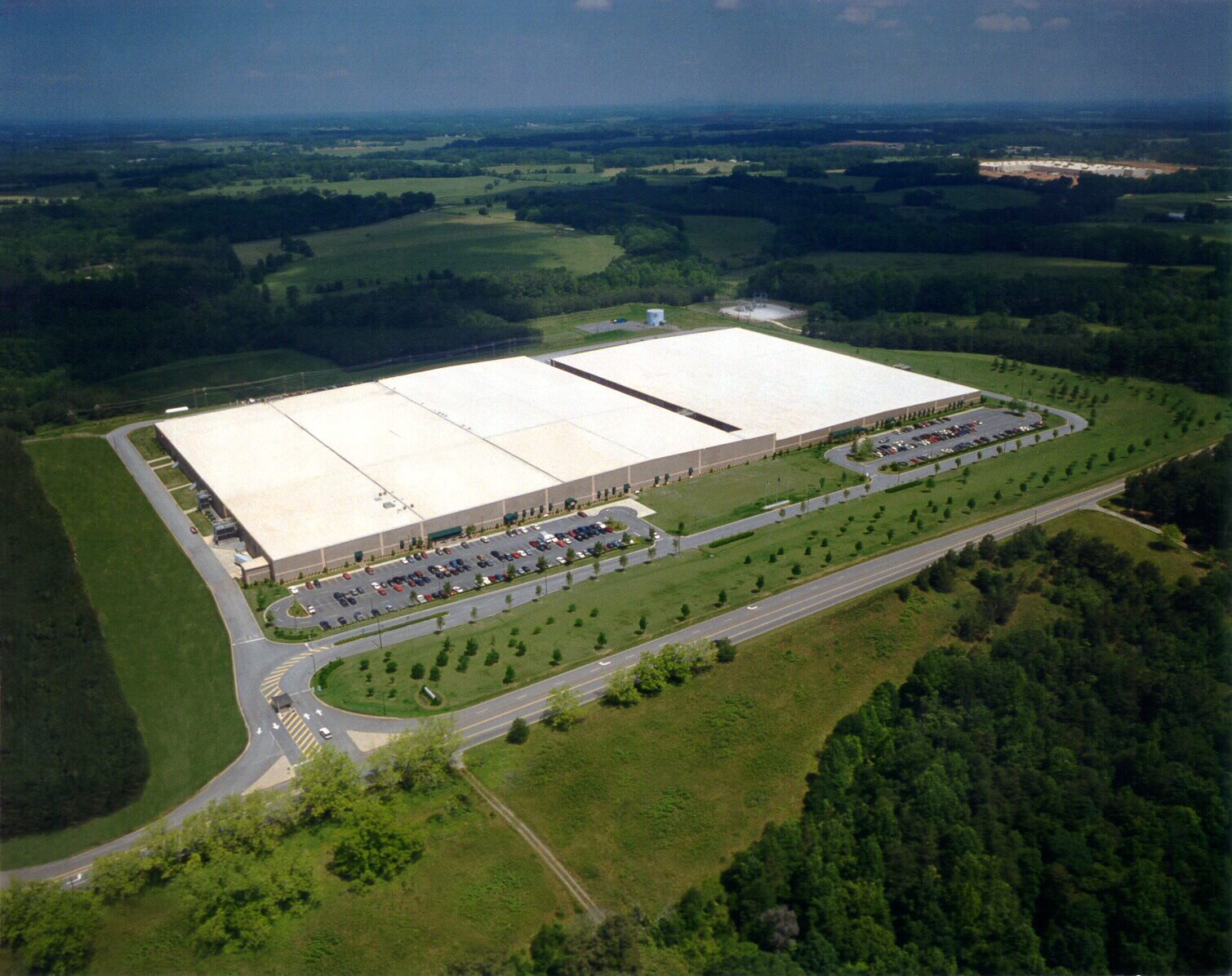
Glen Raven expanded into Europe in 1998 with the acquisition of Dickson-Constant®, a leader in performance fabrics in the European market. This deal also included the Dickson Elberton Mills in Georgia, which had an extensive weaving line of jacquards and allowed Sunbrella to further expand offerings.
Glen Raven secures its first automotive placement with the Cadillac XLR after moving into the world of modern automotive headliner materials in partnership with Fairystone Fabrics and Shawmut Corporation. In 2018, Glen Raven and Shawmut merged the automotive headliner, specialty industrial fabrics, and water filtration system businesses into Shawmut, with Glen Raven retaining minority ownership.
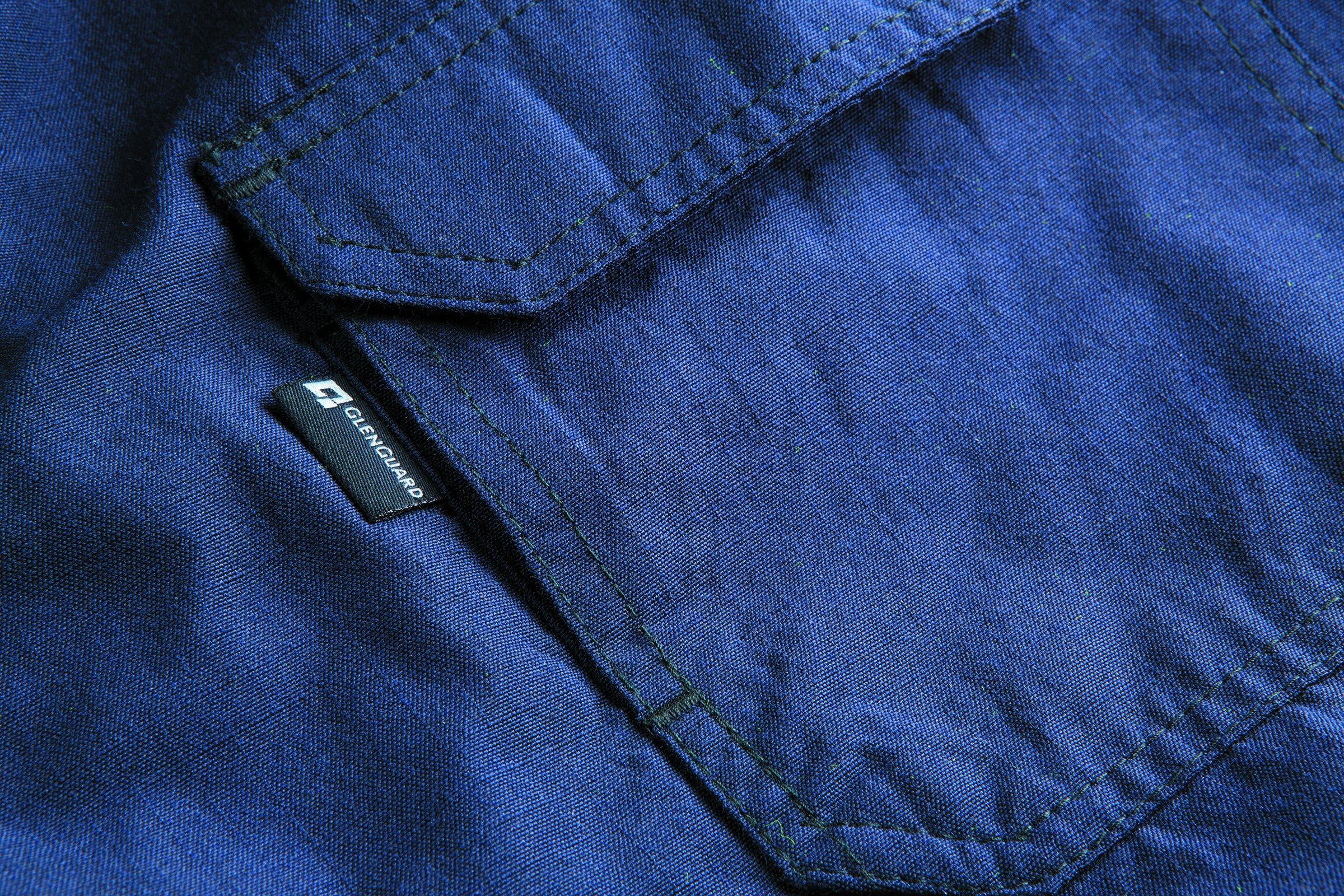
Glen Raven invents GlenGuard, and FR fabrics become commercialized after a four-year development program in partnership with a leading European manufacturer of inherently FR aramid fibers used in protective clothing for heat and flame exposure.
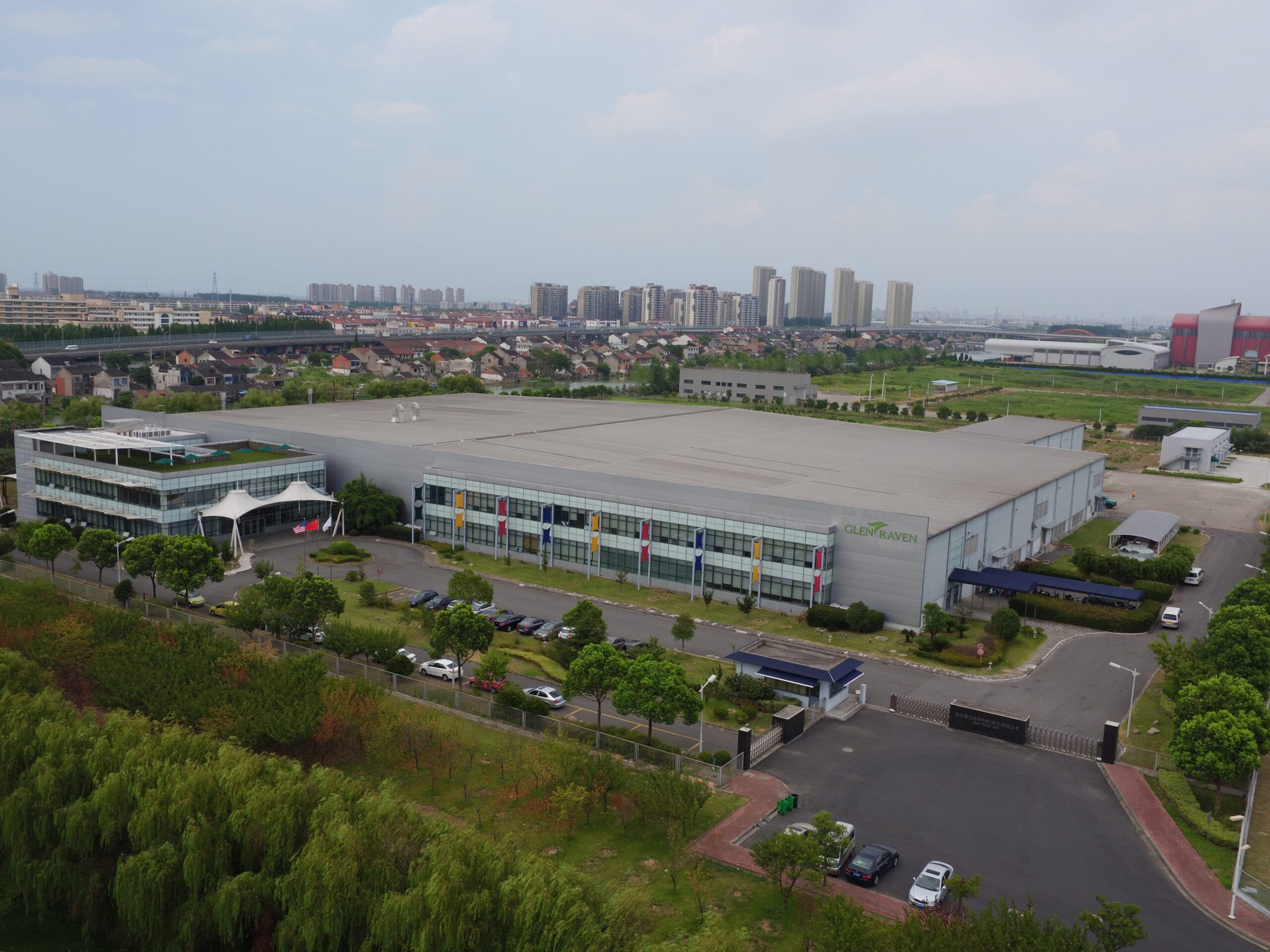
Glen Raven opened a state-of-the-art manufacturing center in Suzhou, China to serve a global customer base. Opening this facility, as well as acquiring the Dickson brand, allowed Glen Raven to take international selling and distribution to the next level.
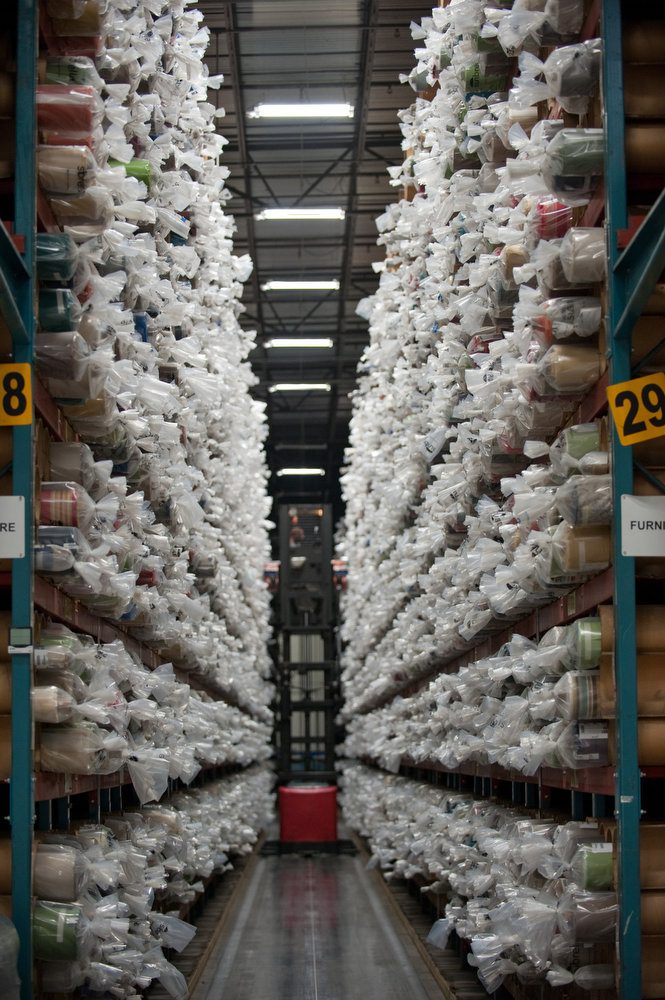
Glen Raven created the Trivantage® brand, a distribution solution across North America, through the acquisition and subsequent merger of The Astrup Company and John Boyle & Company.
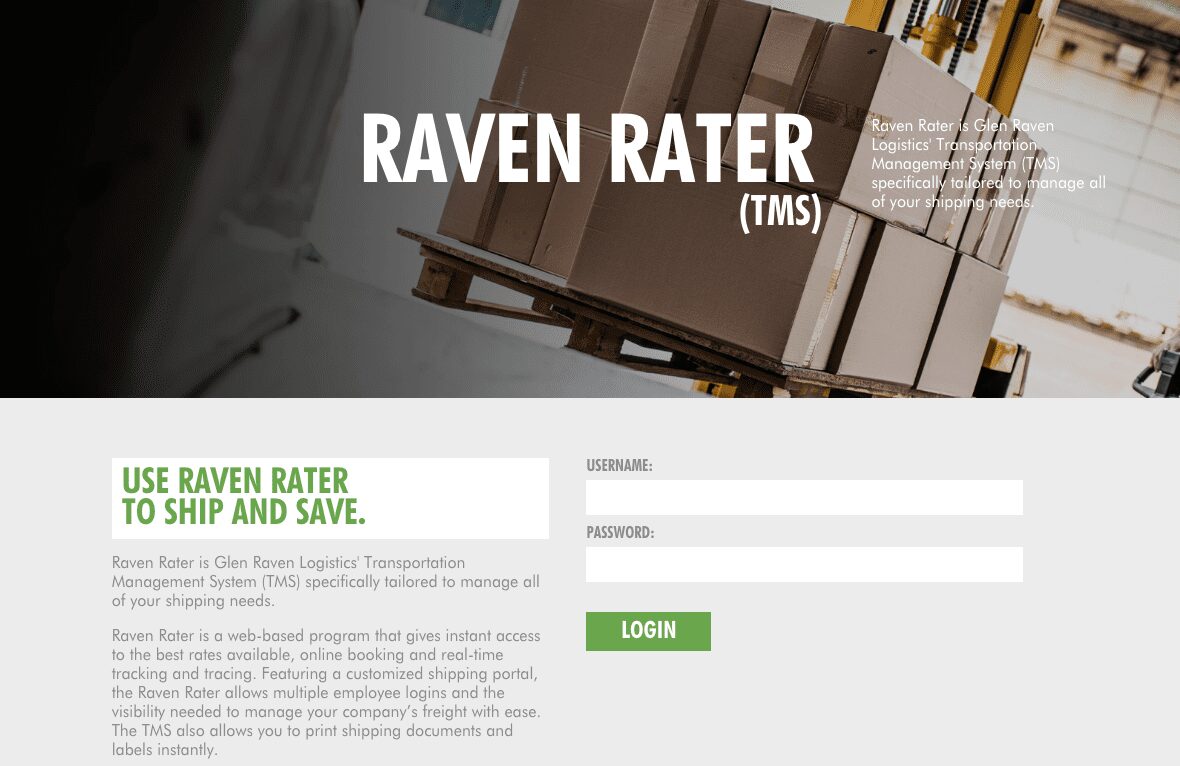
Glen Raven Logistics created the Raven Rater, a logistics solution technology that empowered customers with instant access to smarter solutions, all at no cost. This innovative tool not only transformed the way Glen Raven operated but also improved efficiency and customer service, ushering in a new era of streamlined business operations.
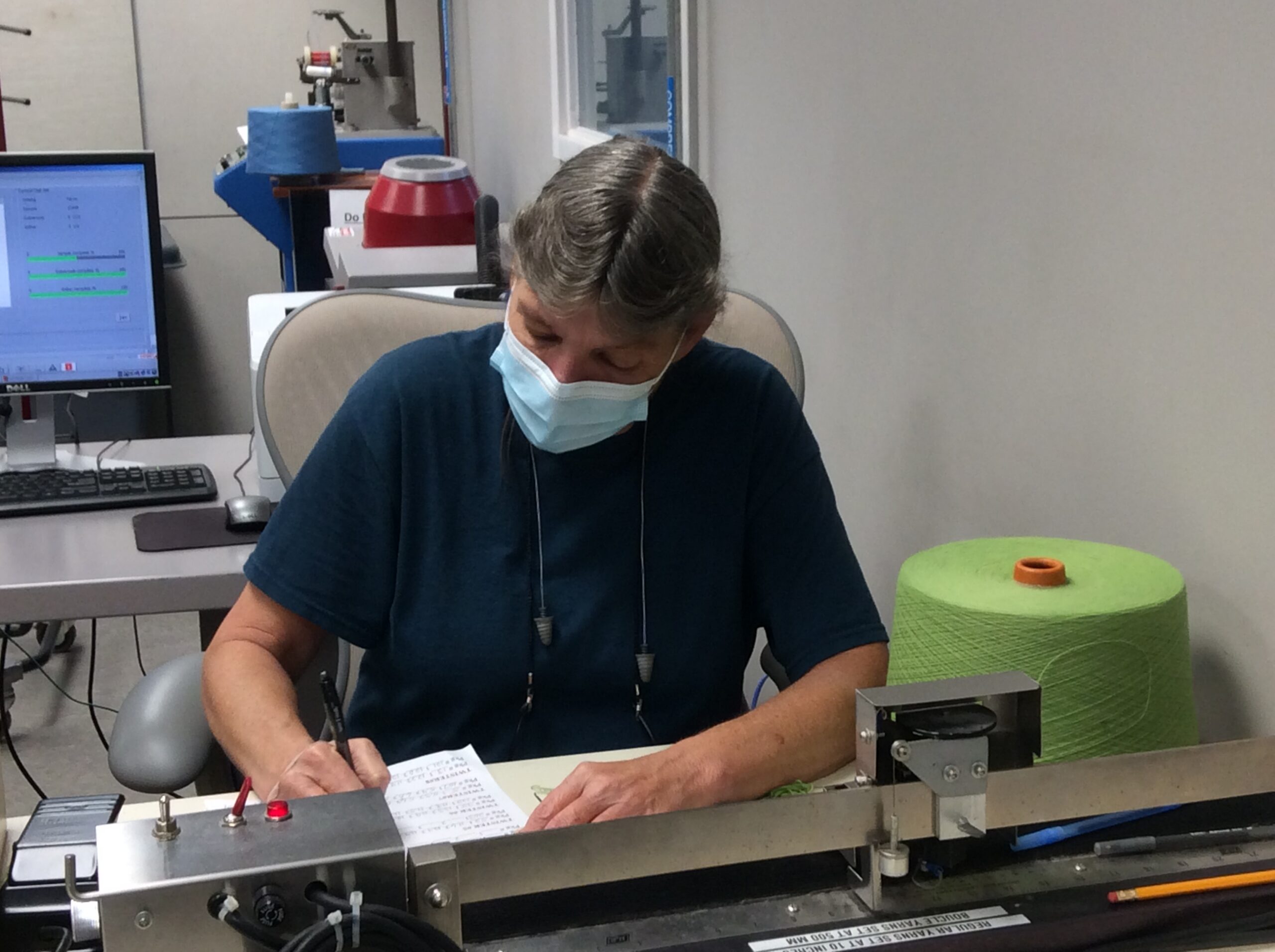
The Burlington Yarn Plant was developed, featuring a highly flexible plant design to adapt as Sunbrella offerings expanded.
Glen Raven acquired Sunbury Textiles, a long-term partner since 1994 with strong expertise in decorative jacquard upholstery fabrics, allowing Glen Raven to further develop relationships and products for designers and high-end furniture manufacturers.
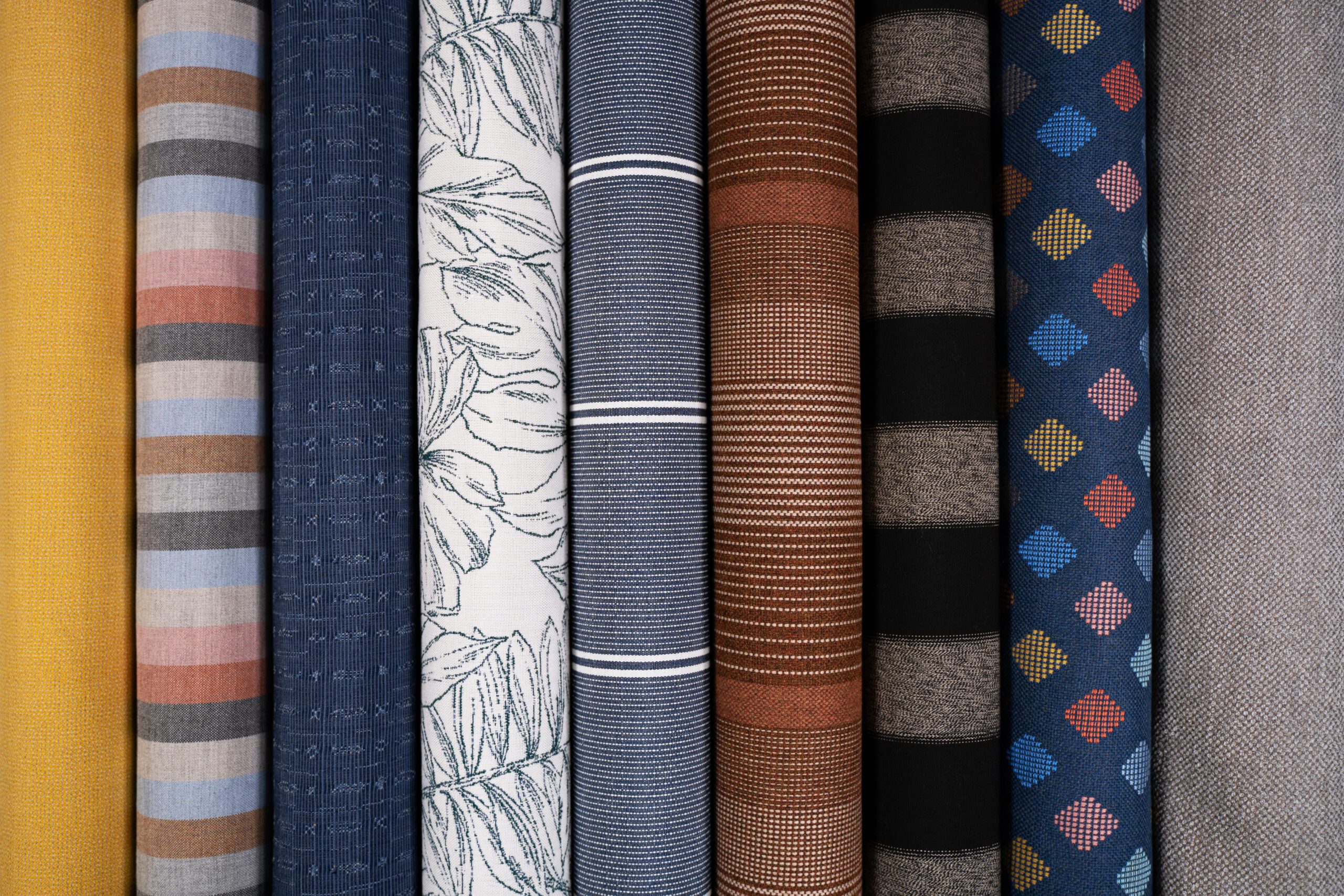
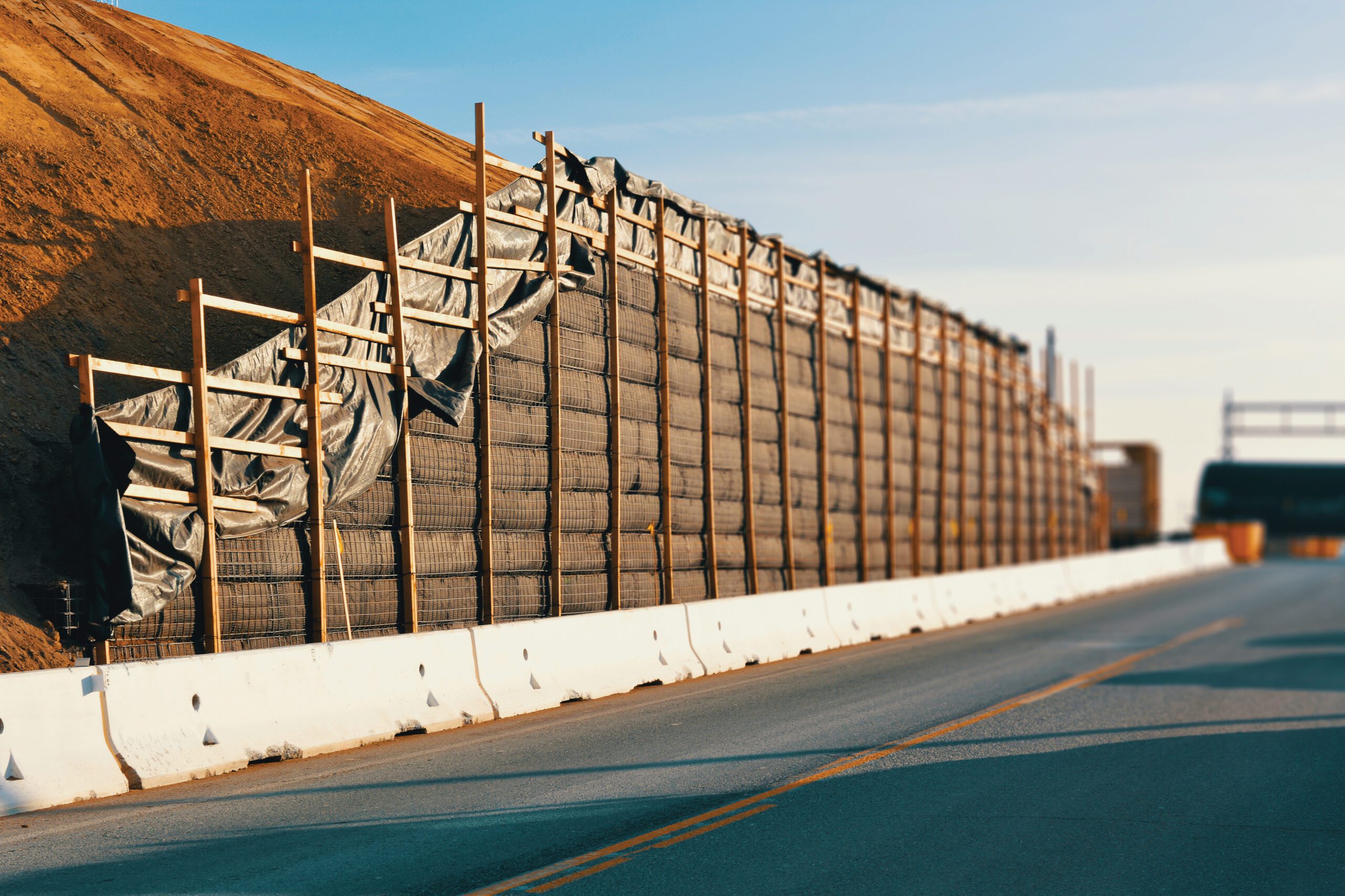
Strata Global, a Glen Raven–owned global geosynthetics company in India and Brazil, opened a state‑of‑the‑art manufacturing facility in Daheli, India. Glen Raven sold the Strata business in 2025, while retaining an ownership interest as a strategic partner.
Glen Raven opened the new corporate headquarters in Burlington, North Carolina, built out of one of the original mill buildings, to serve as a hub for innovation, sustainability and company growth.
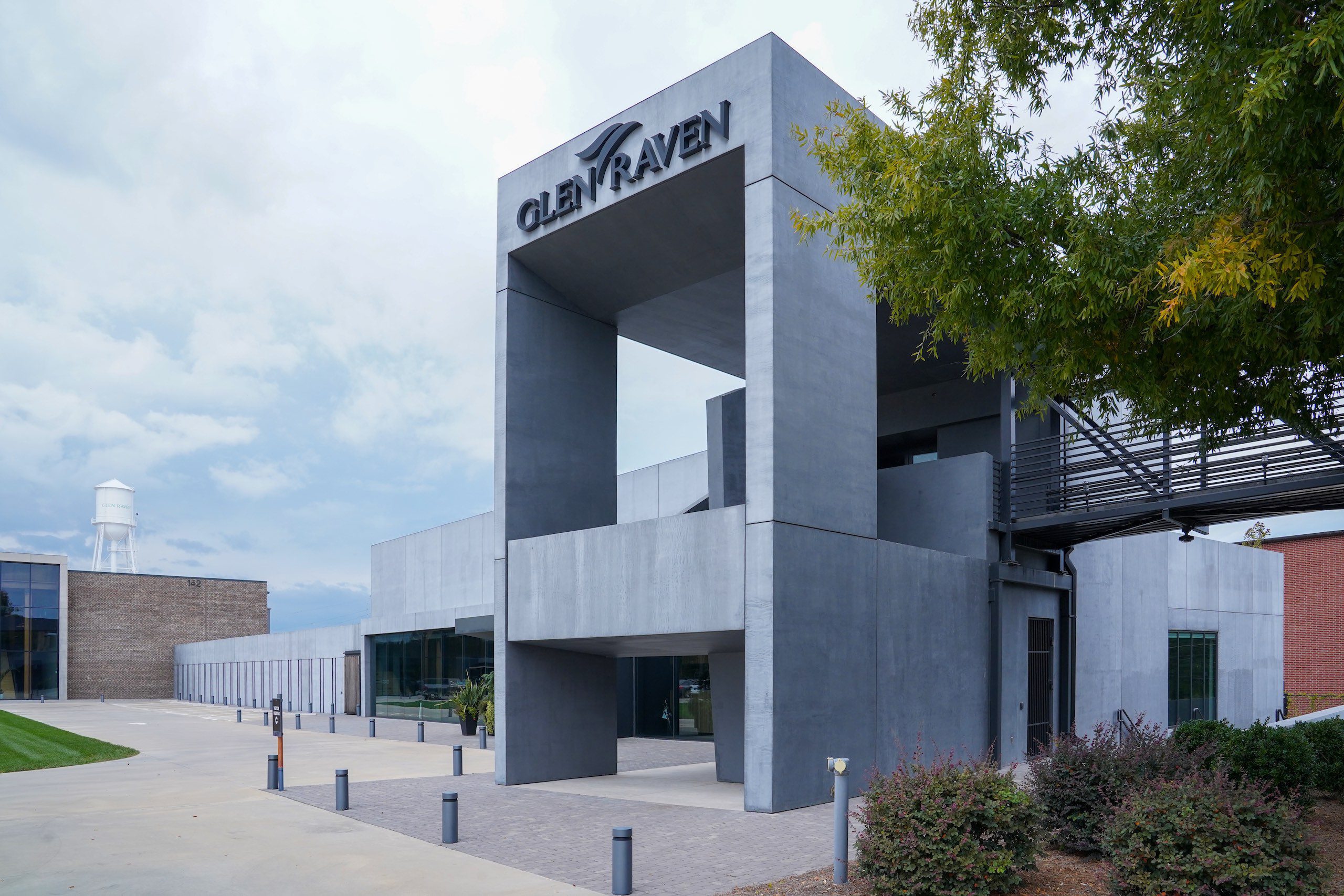
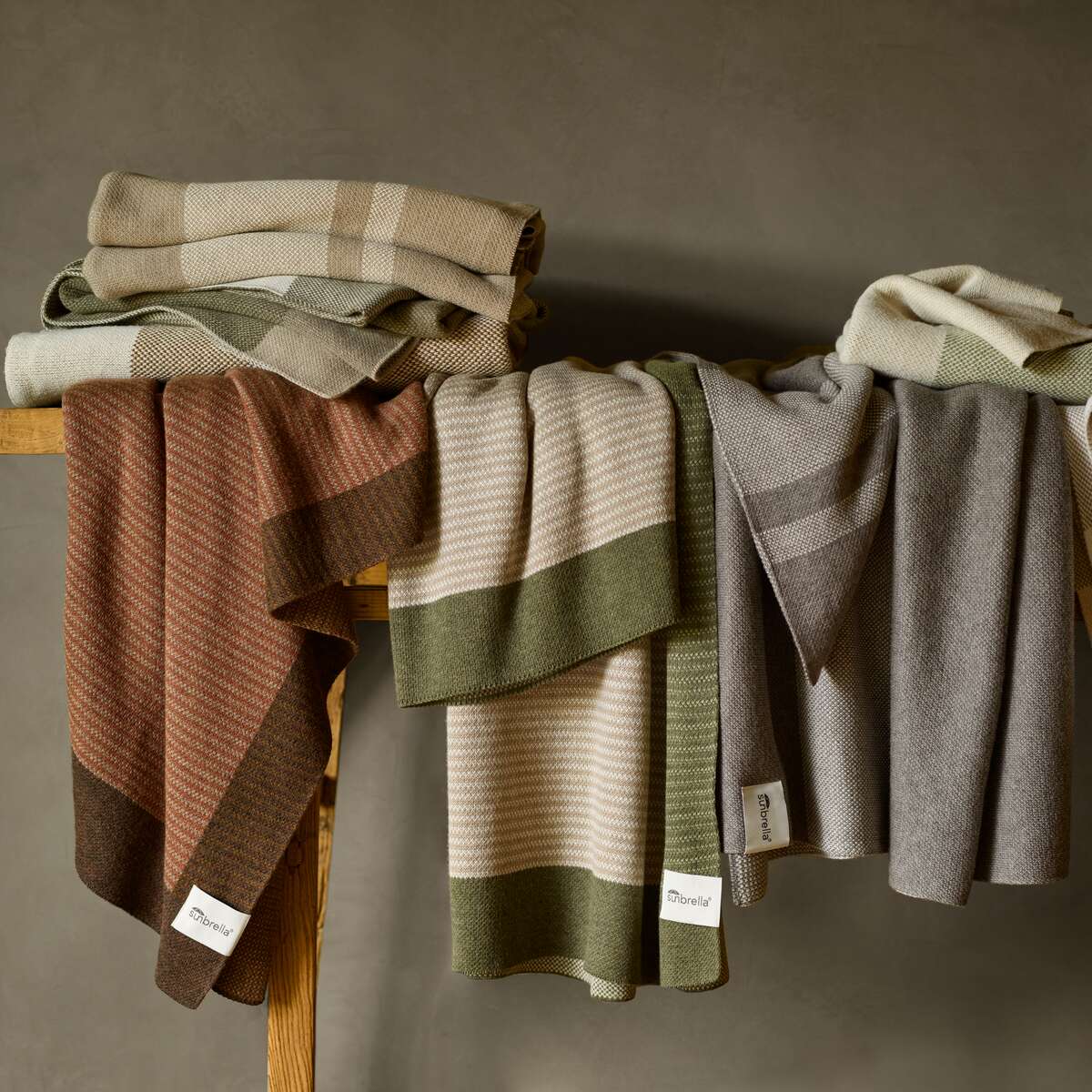
Sunbrella redefines the consumer experience by launching a complementary product line of lifestyle offerings, helping Glen Raven connect to the consumer in a way they never had before. These connections allowed the brand to gain valuable insights that helped refine products and services to better meet customer needs.
Glen Raven invests $250 million in capital expansions across our global network of facilities to increase capacities and new abilities, including a new Hordain, France weaving and warehouse facility, expansion at the U.S. flagship Anderson location, and Norlina Yarn expansion.
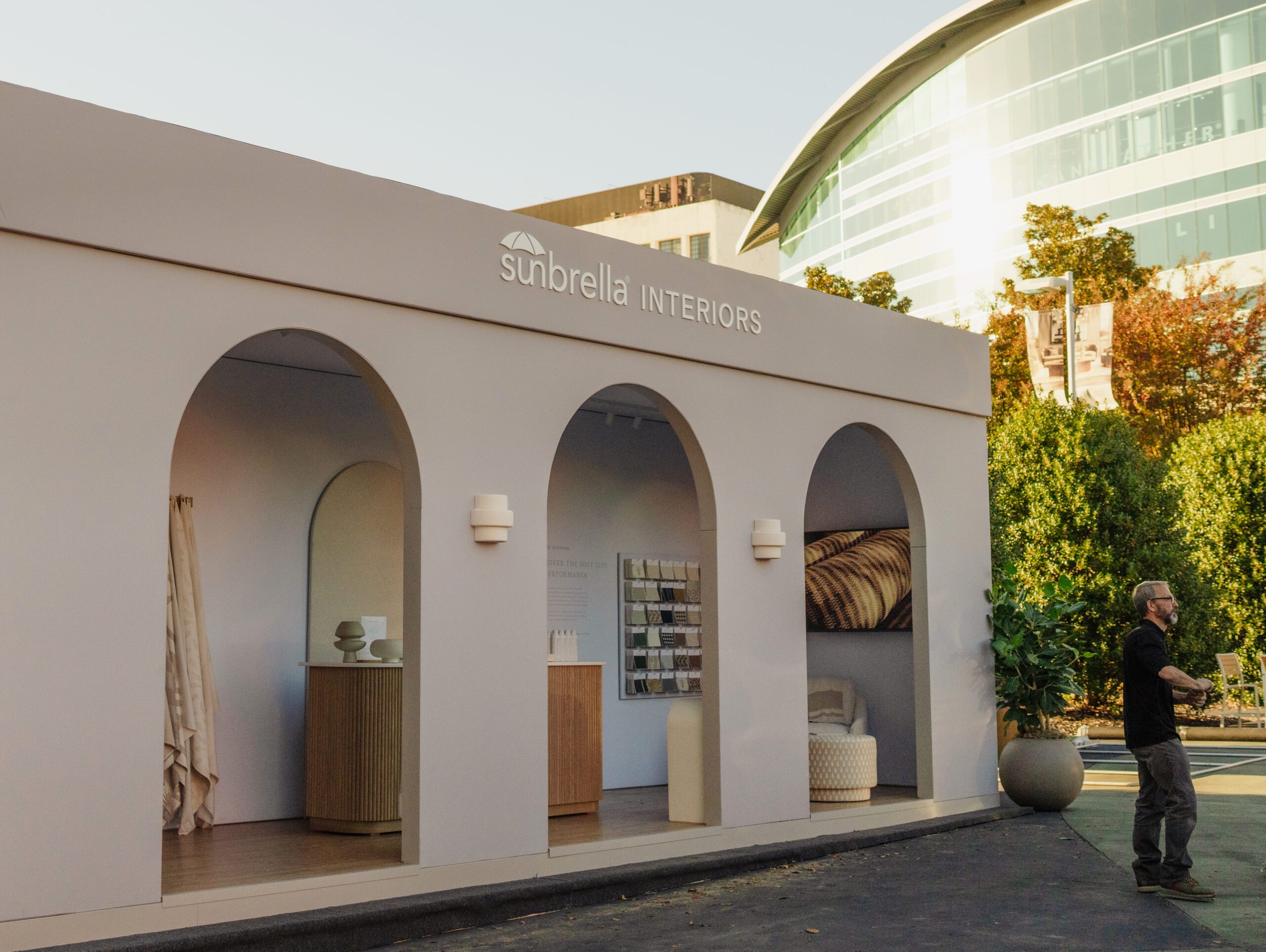
In late 2025, Glen Raven launched the Sunbrella Interiors sub-brand at High Point Furniture Market with a curated collection of furniture fabric, window treatments, and throws, dedicated to elevating the design, comfort, and durability of Sunbrella fabrics and products for interior spaces.